The Power of Interactive Museum Kiosks
Elevating Exhibits with Interactive Design and Engagement
Museums are treasure troves of culture, history, art, and science. They are places of discovery, reflection, and inspiration. But as the world shifts to embrace digital engagement, museums must find ways to engage with modern audiences. Enter the museum kiosk—a seemingly simple tool that, when designed effectively, can transform the visitor experience to add interactivity and complement the exhibit.
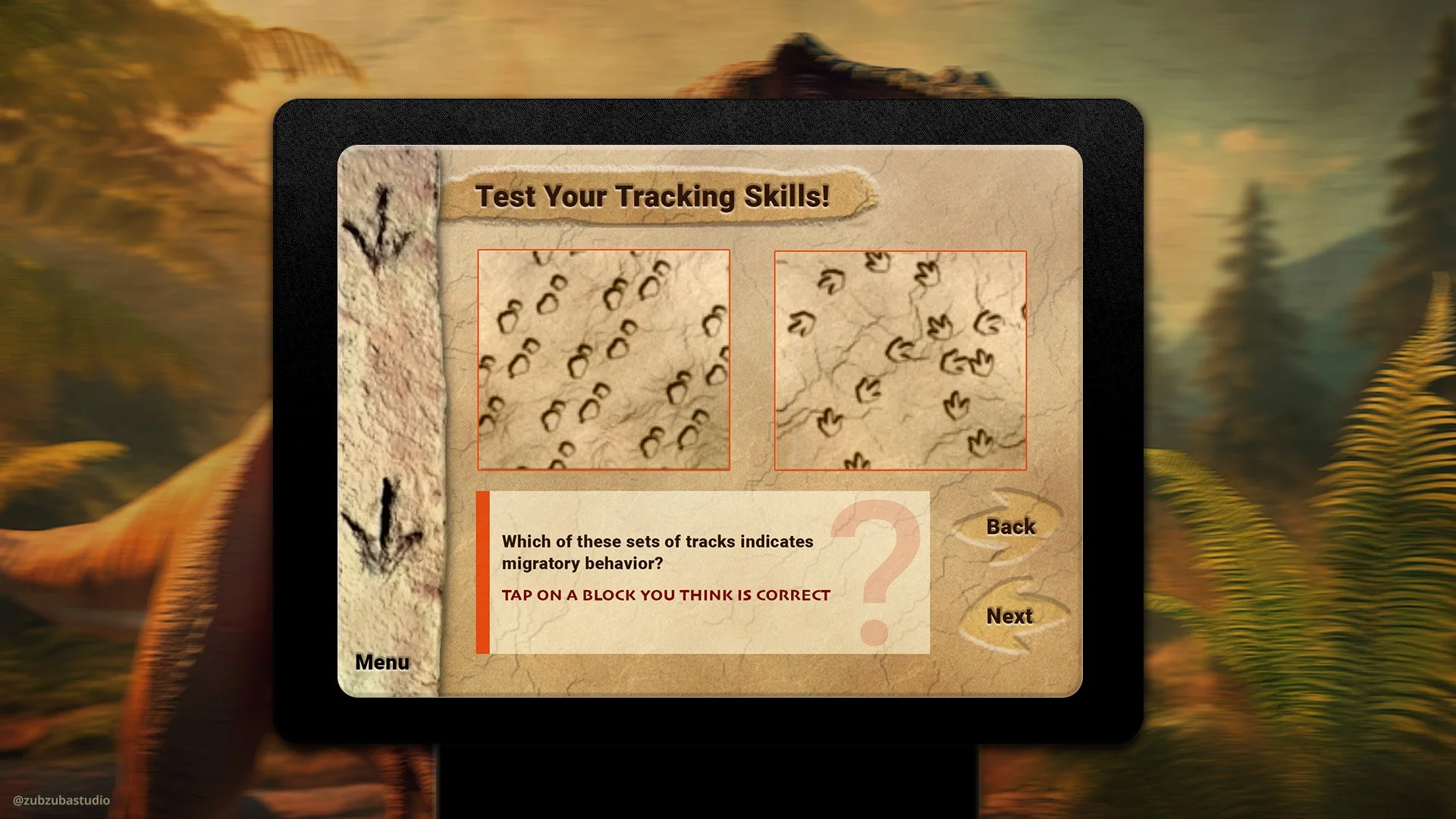
The Role of Museum Kiosks
Museum kiosks serve as bridges between the exhibit and the visitor. They provide supplemental information, enhance interactivity, and make exhibits more accessible. A well-designed kiosk can engage a wide range of audiences, from curious children to avid scholars. It can help visitors dive deeper into an artifact’s history, understand complex scientific concepts, or even step into a virtual world that reimagines historical events.
But not all kiosks are created equal. A kiosk that fails to capture attention, is difficult to navigate, or doesn’t align with the exhibit’s theme can detract from the museum experience. To truly benefit an exhibit, a museum kiosk needs to be more than functional—it must be visually appealing, intuitive, and interactive.
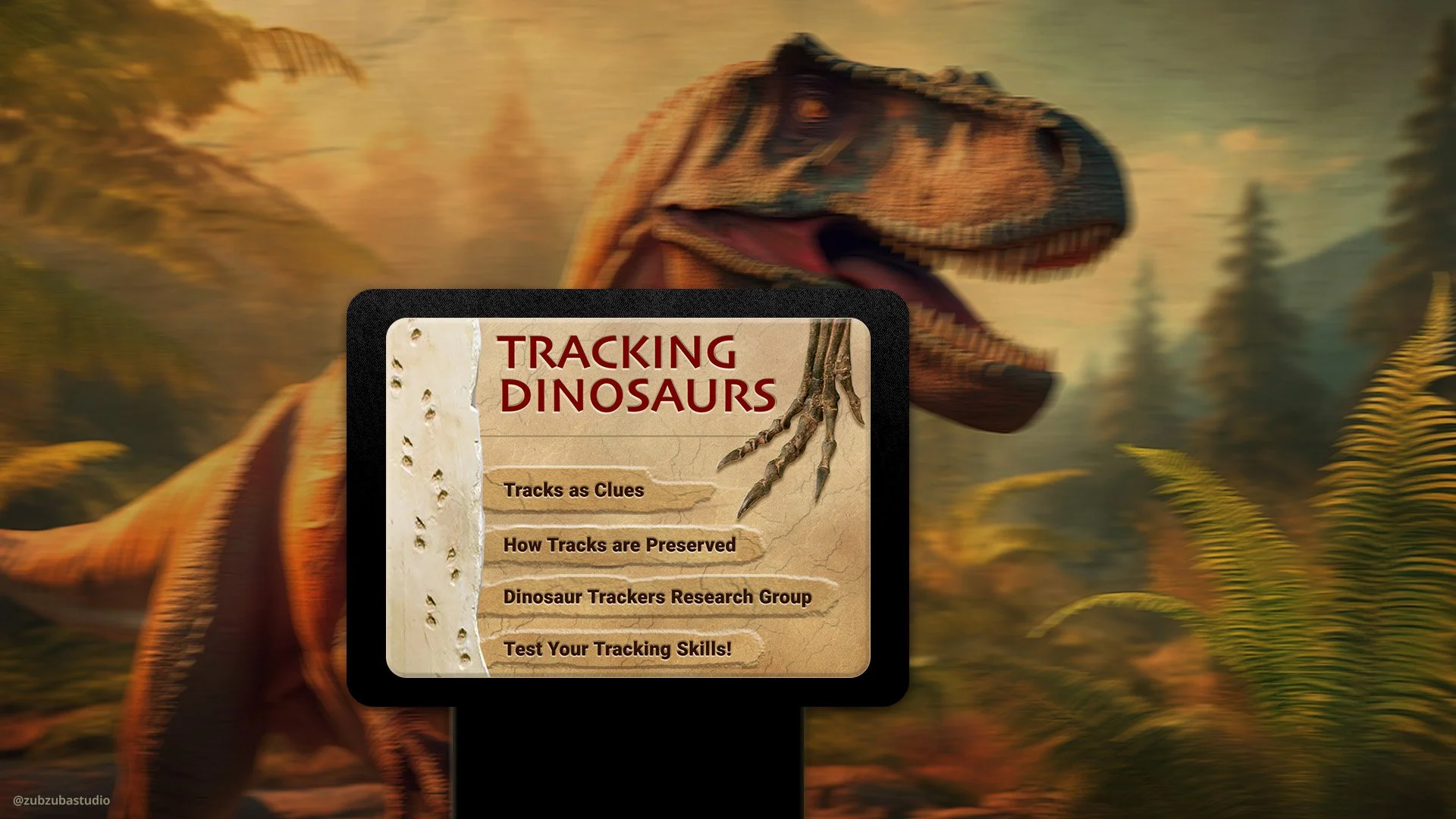
View our CASE Study: Interactive Museum Kiosk for a Dinosaur Exhibit
Visually Appealing Design: Attracting Visitors’ Attention
In a space filled with captivating artifacts, a kiosk must be designed to stand out without clashing with its surroundings. Its visual appeal plays a critical role in drawing visitors in. Here’s why:
Alignment with the Exhibit’s Theme:
A well-designed kiosk complements the exhibit’s aesthetic. For example, a kiosk in a natural history exhibit could feature organic textures, earthy tones, and visuals of wildlife. This cohesive design helps visitors connect the kiosk to the surrounding artifacts, reinforcing the exhibit’s narrative.
Clear and Engaging Visual Hierarchy:
The layout of the kiosk screen should guide visitors effortlessly. Bold headers, interactive buttons, and vibrant imagery help create an intuitive interface that invites exploration.
Custom Artwork and Animations:
Incorporating high-quality illustrations, animations, or even videos tailored to the exhibit can bring its story to life. Imagine a kiosk in an art exhibit featuring animated recreations of the artist’s creative process—this adds a layer of storytelling that static displays cannot provide.
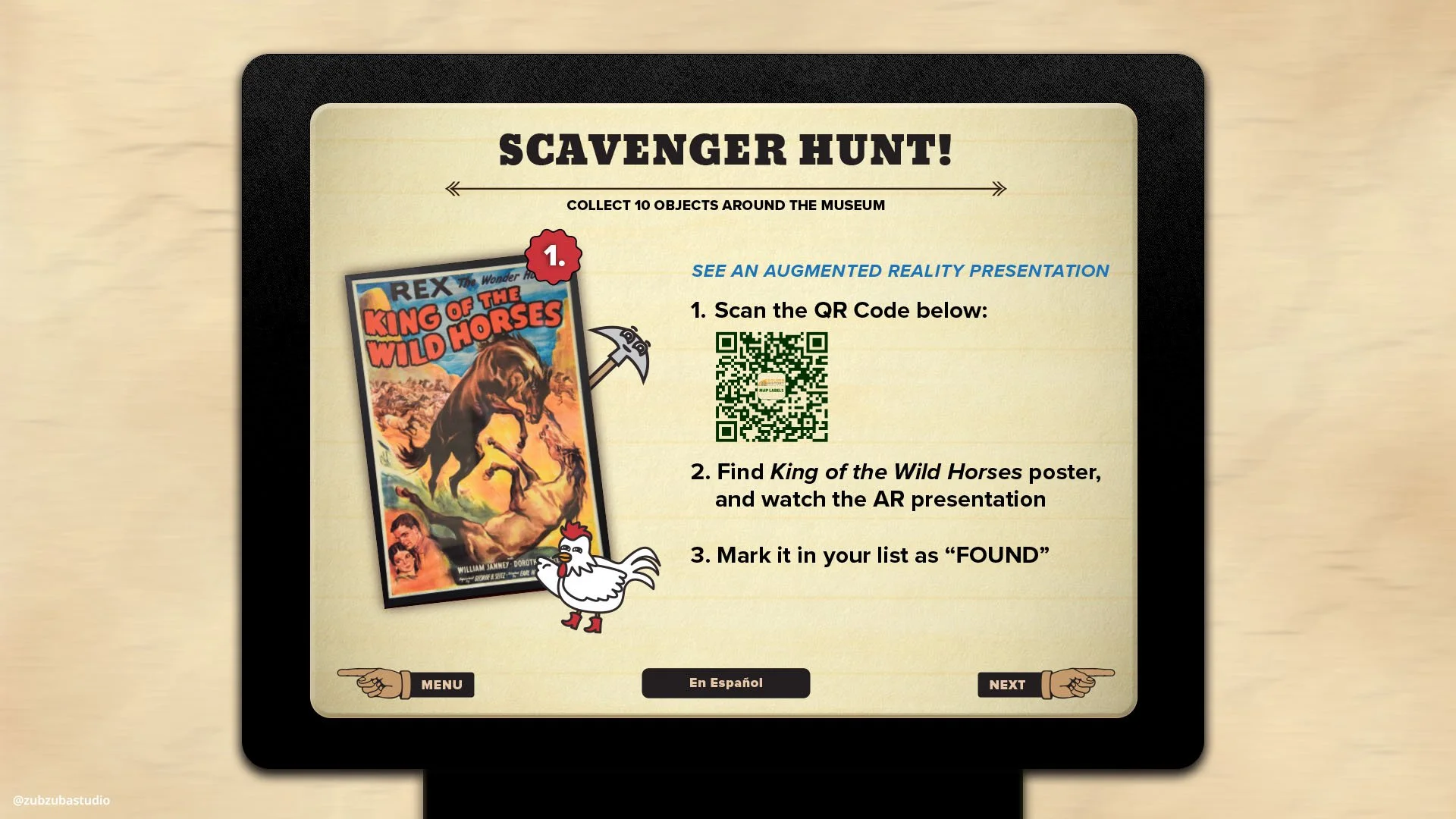
Interactivity: Making the Experience Memorable
Interactivity is the secret ingredient that transforms a passive viewer into an active participant. Interactive kiosks create moments of discovery, learning, and play, which resonate far beyond the museum walls.
Touchscreen Experiences:
Simple touch gestures can allow visitors to zoom in on artifact details, swipe through timelines, or access multimedia content. For instance, a kiosk in a history exhibit might allow users to explore an interactive map that traces the expansion of ancient civilizations.
Games and Quizzes:
Games are a fantastic way to engage younger visitors. A science museum kiosk could feature a quiz that matches users to a dinosaur species based on their personality traits, making learning fun and personal.
Augmented and Virtual Reality:
Cutting-edge technology can transport visitors to different worlds. An AR-enabled kiosk in an art museum might let users hold their phone up to a painting to see hidden layers, like an artist’s initial sketches.
Multi-sensory Engagement:
Pairing kiosks with audio, vibration, or even scent can create an immersive experience. For example, a kiosk in a cultural exhibit might include audio clips of traditional music or spoken stories tied to the displayed artifacts.
Accessibility: Welcoming Every Visitor
Accessibility isn’t just a best practice; it’s a necessity. Inclusive kiosks ensure that everyone, regardless of ability, can enjoy the exhibit.
Multilingual Options:
Museums often attract a global audience. A kiosk offering content in multiple languages can cater to international visitors and make the experience more inclusive.
Assistance for Visitors with Disabilities:
Features like text-to-speech, adjustable font sizes, and compatibility with screen readers make kiosks accessible to visually impaired visitors. Adding tactile elements, such as raised maps, can also benefit those with low vision.
User-Friendly Navigation:
Clear instructions, large buttons, and simple menus ensure that kiosks are easy to use for visitors of all ages and abilities.
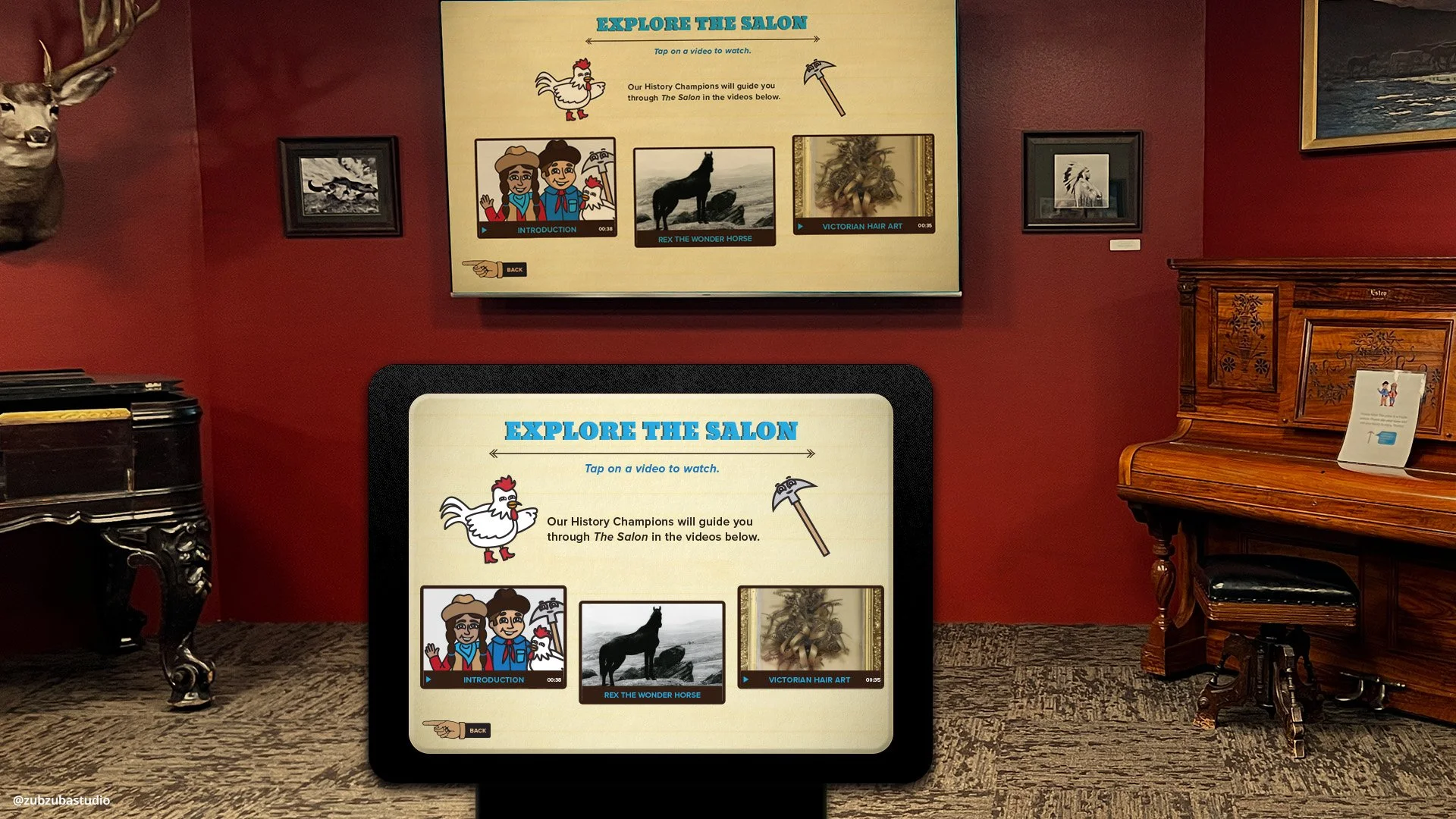
Enhancing the Museum’s Storytelling
Museum exhibits are fundamentally about storytelling—sharing the narratives behind objects, art, and ideas. Kiosks enhance this storytelling in ways static displays cannot.
Providing Context and Depth:
Artifacts in a museum often represent just one piece of a larger story. A kiosk can offer detailed background information, related artifacts, or scholarly insights, allowing visitors to engage on a deeper level.
Real-Time Updates:
Digital kiosks can display dynamic content, such as new discoveries, upcoming events, or even live feeds from an excavation site. This keeps the museum experience fresh and relevant.
Encouraging Personal Connection:
Interactive kiosks can ask visitors questions, encouraging them to reflect on their own lives and experiences. For instance, a history exhibit might include a kiosk asking visitors how they would respond to historical dilemmas, creating a personal connection to the past.
A Case for Investment in Design
Investing in high-quality, visually appealing, and interactive kiosks is not just an expense—it’s a strategic move that pays off in visitor satisfaction, education, and loyalty. Museums that prioritize thoughtful kiosk design show their commitment to innovation, accessibility, and storytelling.
The next time you visit a museum, take note of the kiosks. Are they drawing you in? Are they enhancing your understanding of the exhibit? If so, you’re experiencing the magic of effective design in action.
For museums, the takeaway is clear: when exhibits are paired with thoughtfully designed kiosks, the visitor experience is elevated, ensuring that the stories of the past continue to inspire the future.