How to Choose the Right Studio for Your Educational Media Project
Most educational organizations only commission interactive media work a few times, so it's hard to know what good looks like versus what's just a polished sales pitch. This guide is meant to help with that.
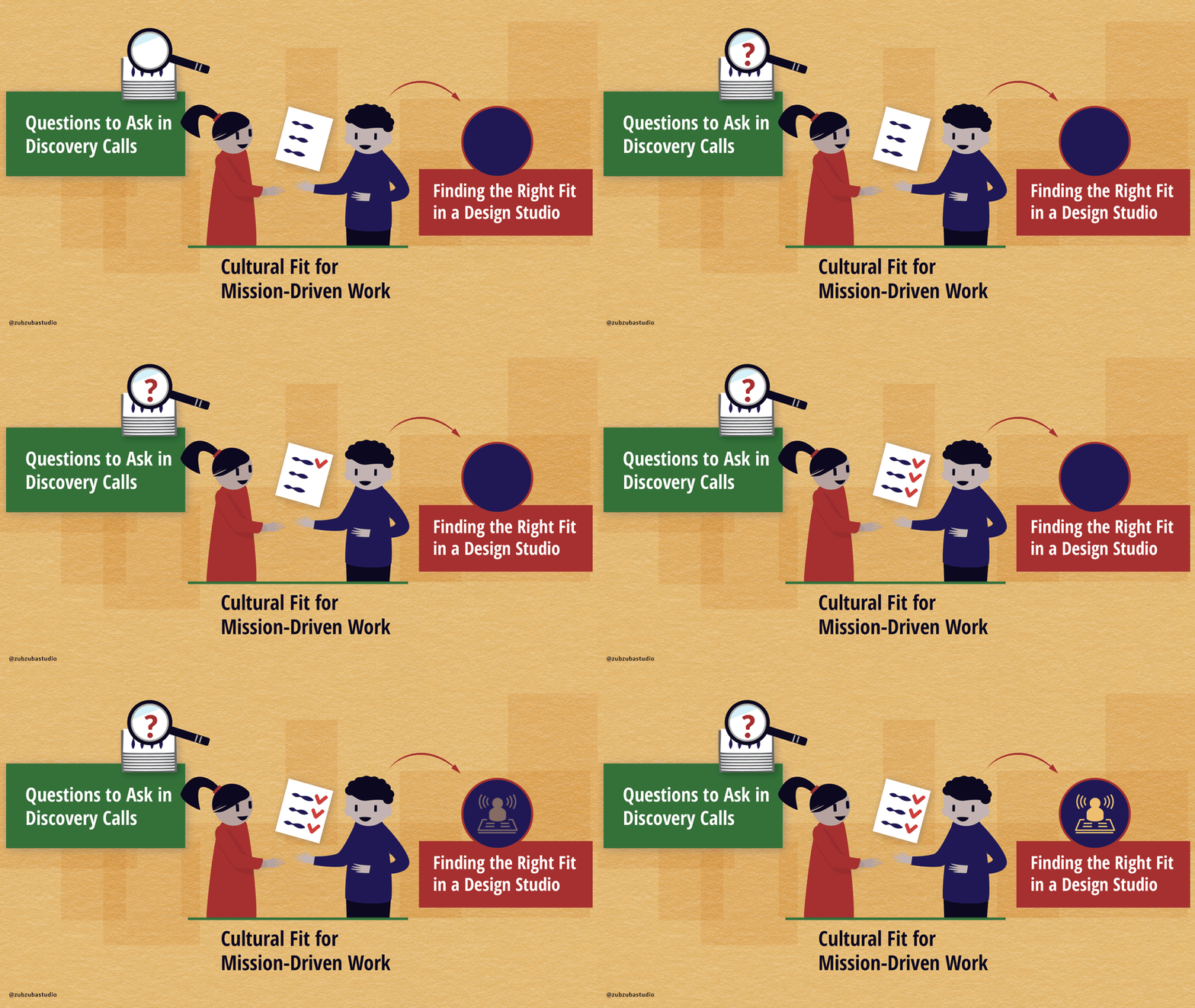
Questions to Ask in Discovery Calls
"What questions do you have for us?"
A good studio should ask more than they answer in a first call. They should want to know about your learners, your goals, your constraints, your timeline, and your internal capacity before suggesting anything. If they jump straight to proposing solutions, they're selling, not listening.
"What happens after launch?"
This question separates design shops from actual partners. Listen for specifics: maintenance plans, staff training, content update processes, support response times. If the answer is vague — "we'll be there if you need us" — press further.
We've written about what ongoing support should actually look like.
"How do you handle diversity?"
Is multilingual support and diversity important to your organization? For example, multiple language options, culturally relevant content adaptations, designs that work for different age groups and learning levels.
"What would you tell us NOT to build?"
A studio willing to talk you out of a bad idea prioritizes your outcomes over their invoice. If every idea you float gets enthusiastic agreement, be cautious. The best partners will push back when something won't serve your audience — and explain why it won't work.
Cultural Fit for Mission-Driven Work
This is the section most evaluation checklists skip — and it might be the most important one.
Do they understand your mission, or just your specs?
A studio that gets excited about your educational goals — the community you're serving, the story you're preserving — will make better creative decisions at every stage than one that sees your project as a technical build. That enthusiasm shows up in the work.
Have they worked with institutional processes?
Grant timelines, board approvals, committee feedback, academic review cycles — these aren't inefficiencies, they're part of how educational organizations operate. A good partner treats them as part of the work, not obstacles to push past.
Do they understand your audience?
Museum visitors, students, and public learners aren't app users or e-commerce customers. They're exploring, not buying. They're learning, not converting. The design instincts required are genuinely different, and a studio experienced in this space will already know that.
Finding the Right Fit
A partner who is passionate about educational media will always be better than a generic design studio or independent consultants fulfilling a contract. The studios that do this work well aren't just technically capable — they care about the subject matter, they understand the institutions they serve, and they stick around long after launch day.
The right partner won't just build what you ask for. They'll help you figure out what to build in the first place.
Let Us Know if you'd like to discuss your project.