Why We Came Back to Educational Media
And What We Brought With Us
We come at this from different angles—I'm a visual designer who sees the big picture of how a project should look and feel; my partner is a developer with exacting standards for how something should behave and function.
But we share the same goal: creating animated interactive modules that help people learn something new in a visually engaging way.
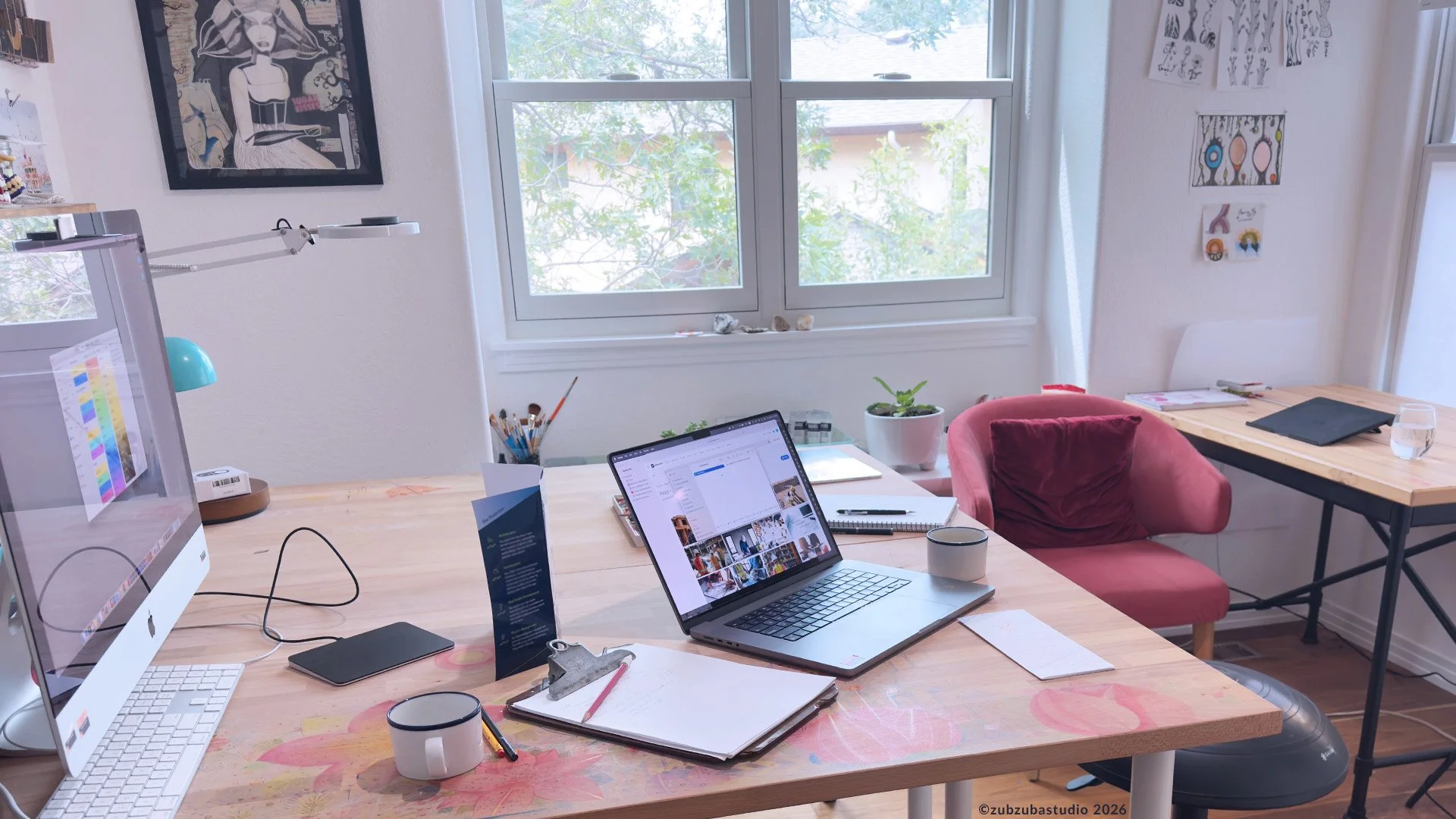
In the past we've created learning experiences for cultural organizations, educational institutions, and foundations.
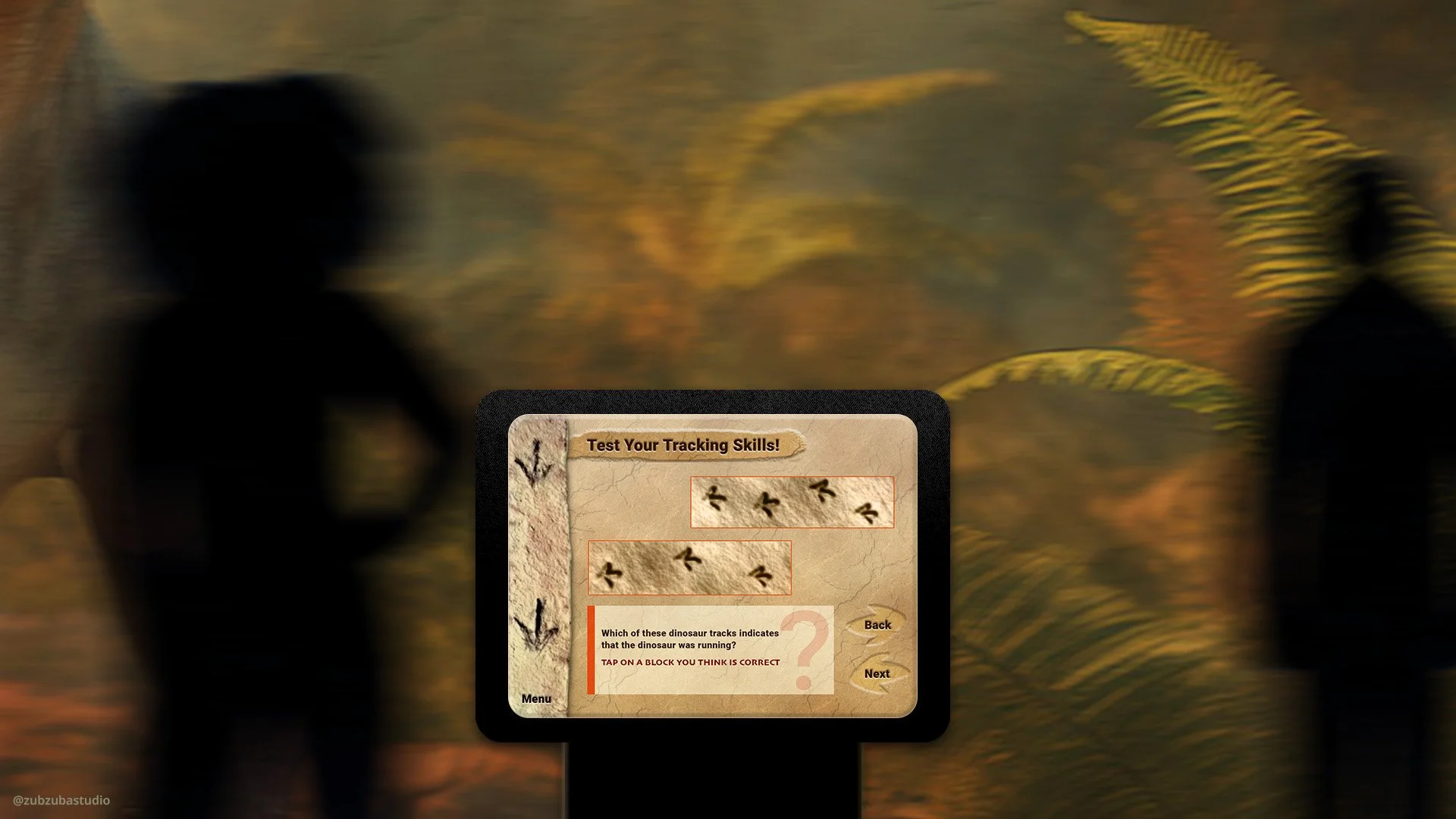
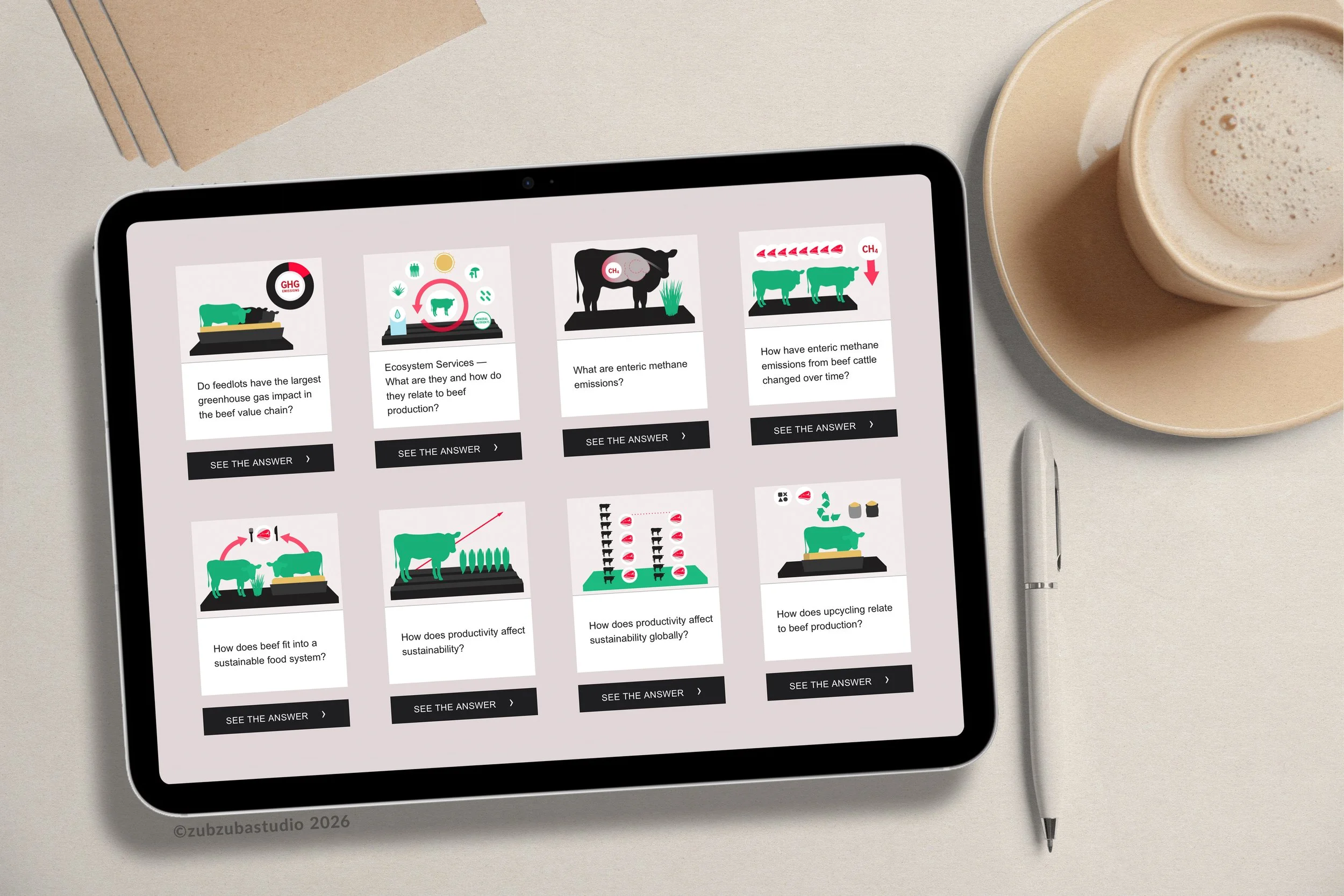
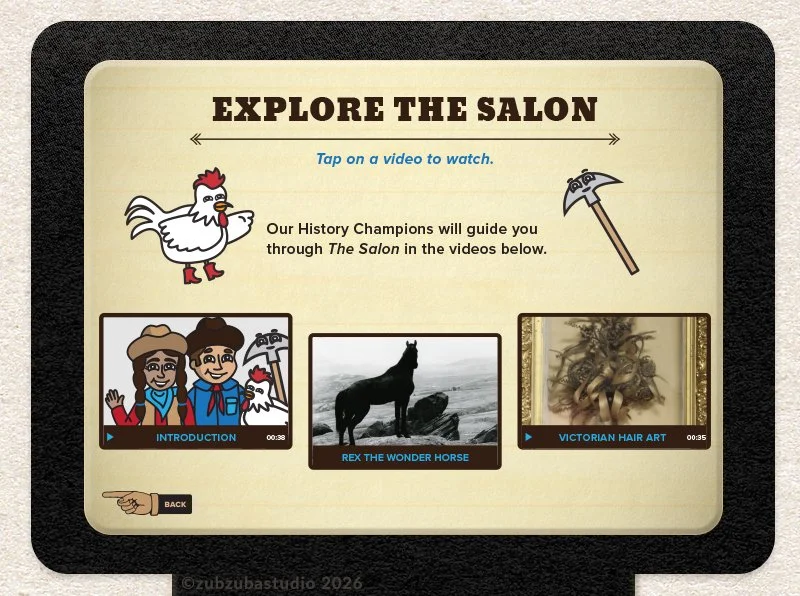
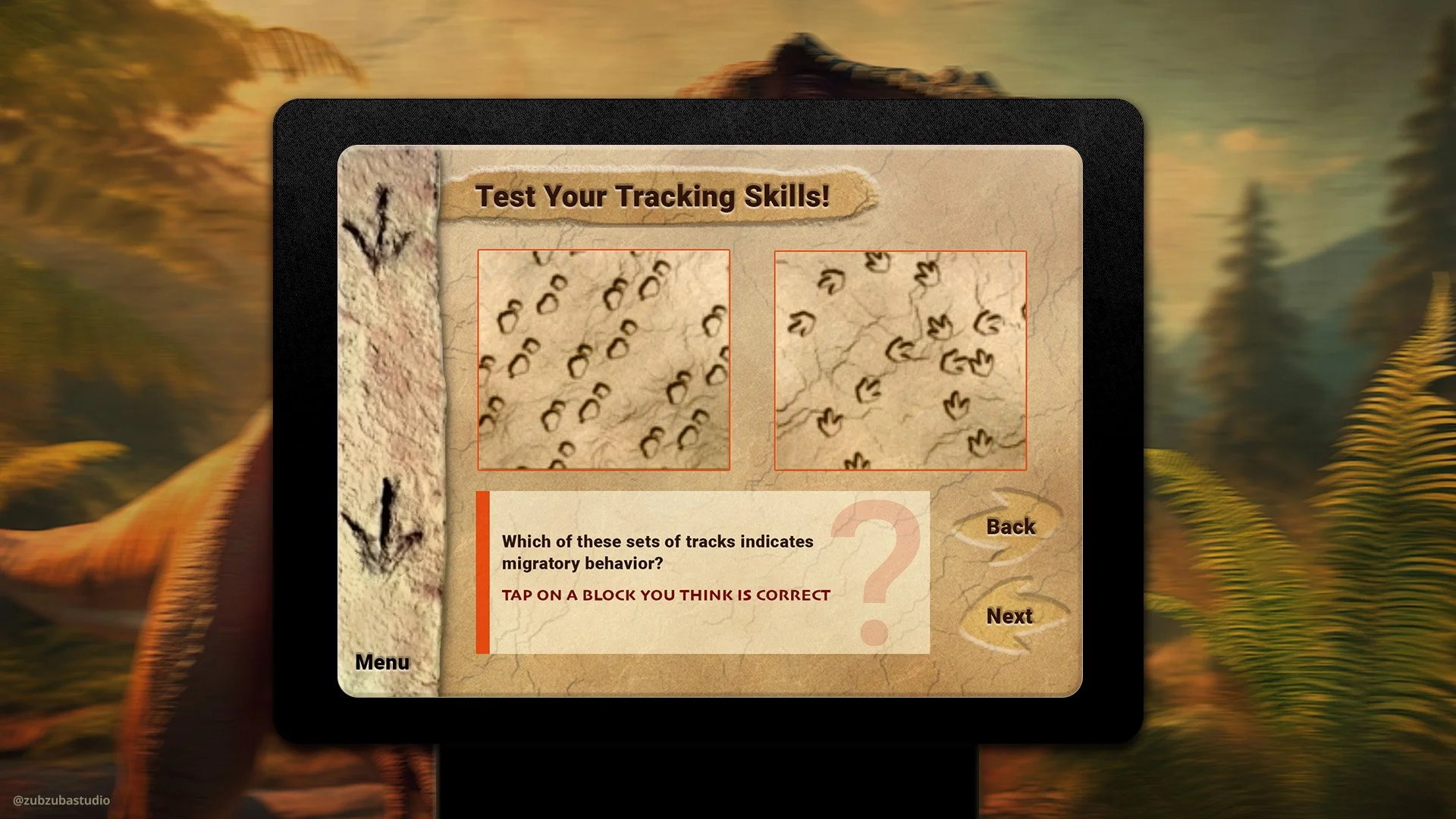
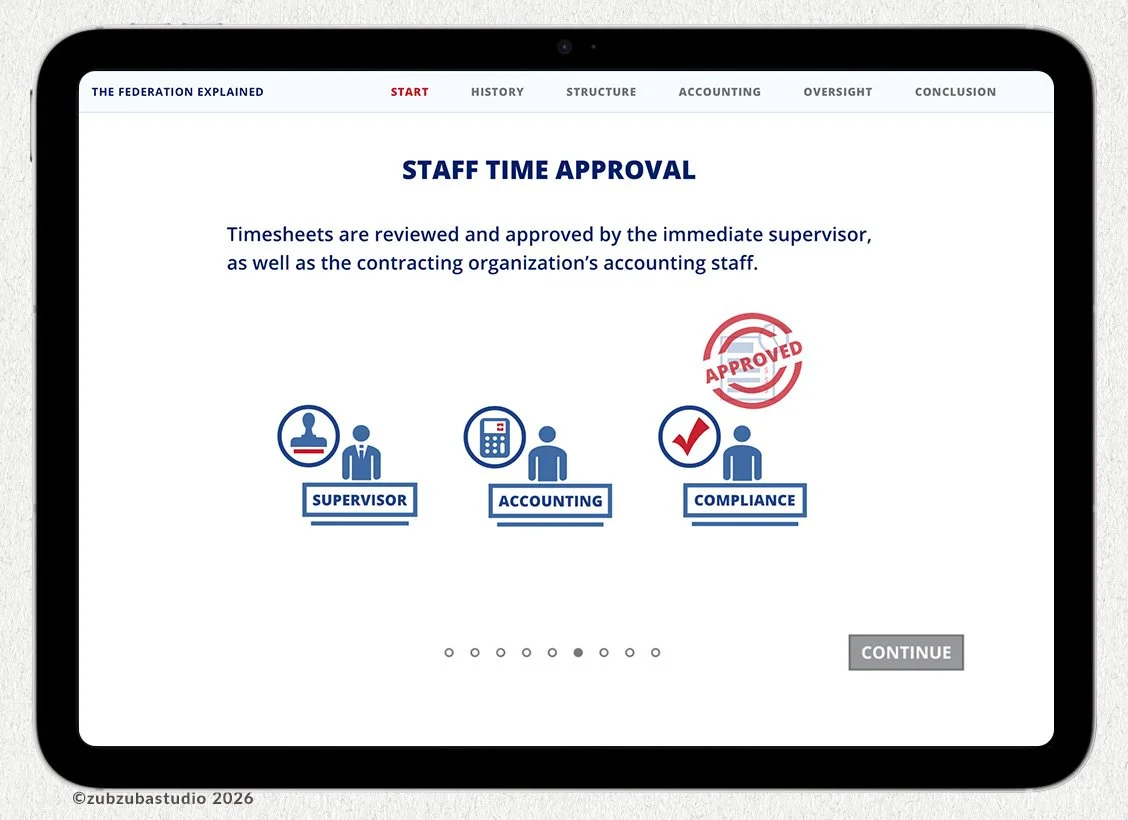
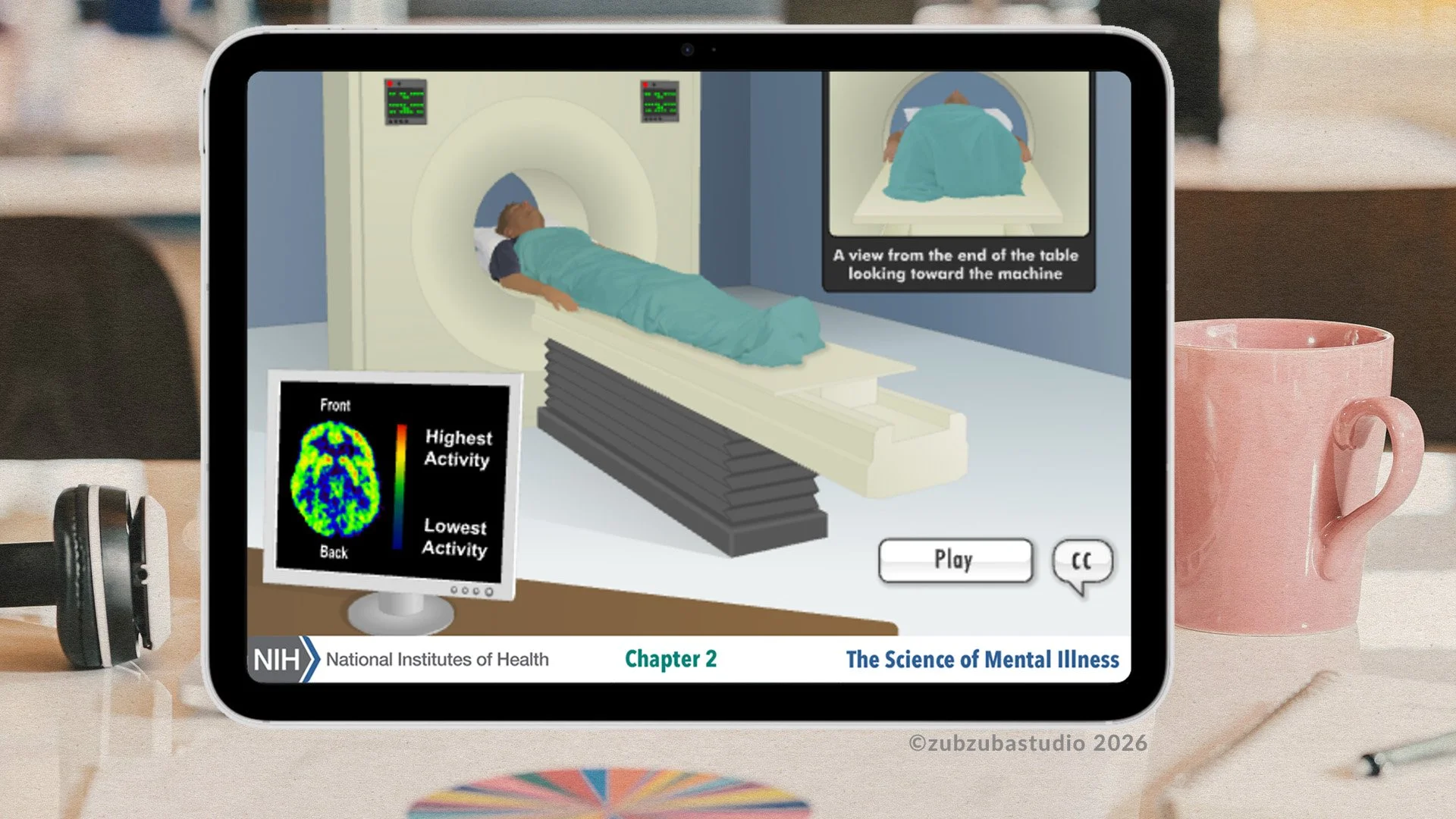
We've built an engaging explainer module for an accounting program that made dry concepts easy to navigate, developed interactive experiences for museums that turn visitors into active participants, and created self-paced learning modules for both young learners and adults using proven educational methods.
The Detour (And What We Learned)
Despite our love for creating engaging educational media, we spent a period taking on digital advertising projects.
Advertising taught us things that make us better at educational media now:
We learned to work within tight deadlines
Museums and educational institutions often have fixed opening dates, grant deadlines, or school calendar constraints. We know how to deliver on time.
We learned to respect budgets
Ad tech operates on strict ROI calculations. That discipline translated directly to helping institutions with limited funding get the most value from every dollar.
We learned to stay current with technology
Advertising lives on the cutting edge—new platforms, new devices, new interaction models. That keeps us sharp and aware of what's actually possible (versus what's just hype).
We learned to design for failure
In digital advertising, high ad-serving costs meant we always created fallback images in case our feed-based ads failed. You can't afford downtime when you're paying per impression.
That same thinking now helps museums: every kiosk we design includes a mobile fallback experience, so if technical issues arise, visitors still get to view the content.
But here's what we missed: work that mattered beyond the next quarter's metrics.
What Brought Us Back
Museums and cultural organizations are doing incredible things right now:
Interactive kiosks that don't just display information but invite exploration.
Touchscreen devices used thoughtfully to deepen engagement.
Sound and gesture-driven interfaces may be interesting to explore in the future.
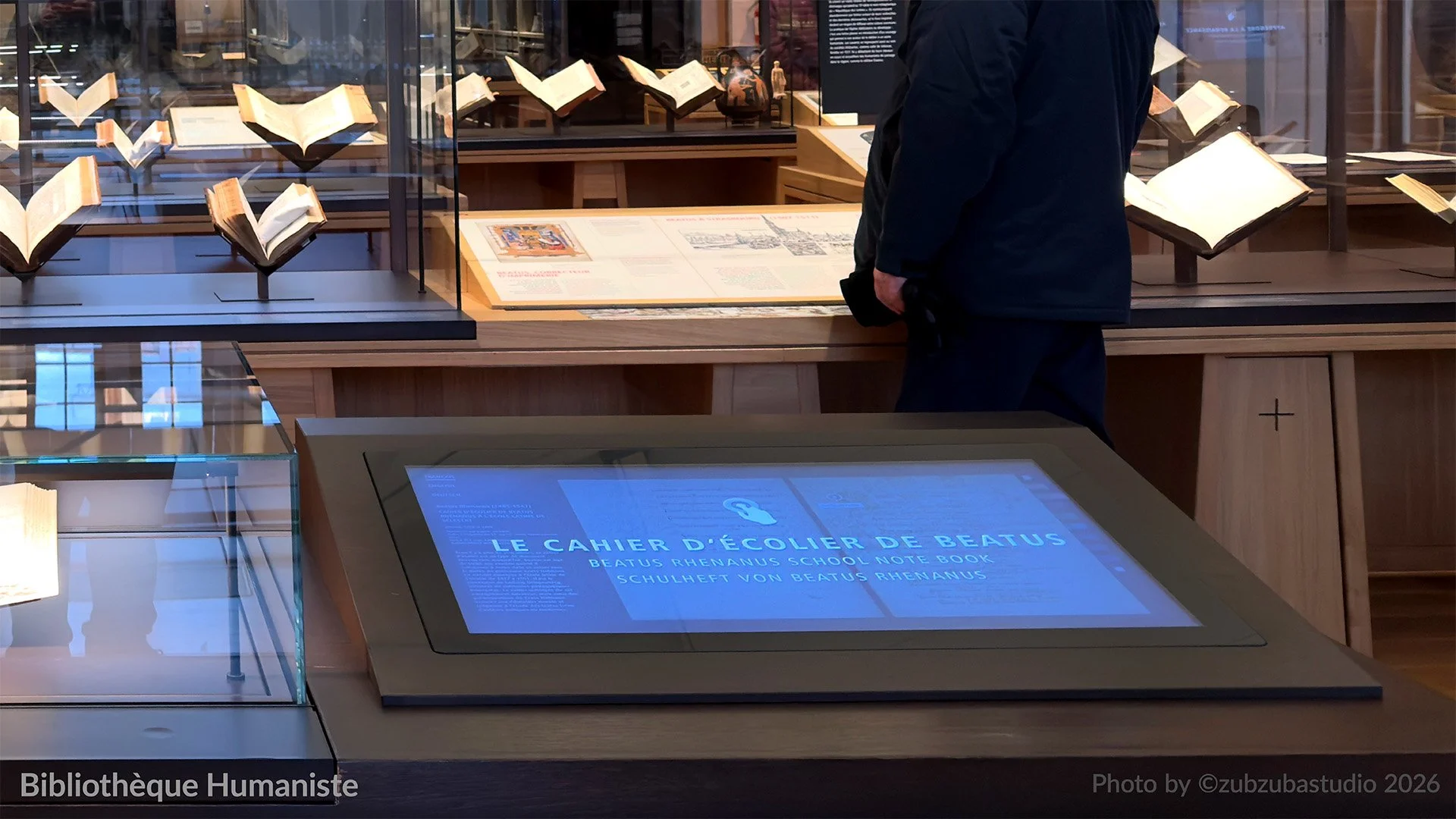
The Humanist Library in Sélestat uses touchscreen displays to allow visitors to engage with its precious manuscripts.
But what really draws us back is the mission: helping people learn something new, retain knowledge, and connect with ideas that matter.
Animated interactive experiences can turn passive observation into active discovery. They can help learners—whether they're eight years old or eighty—walk away having truly understood something new.
We love what we do. That means when you work with us, you're partnering with people who genuinely care about helping people connect with knowledge that matters.
Learn about our client portal and our basic project structure here.
If your institution—whether cultural organization or educational institution—is looking for a thoughtful partner who specializes in interactive educational experiences, we'd love to hear about what you're working on.