Visual Storytelling for E-Learning
Bringing Complex Concepts to Life
When it comes to online learning, visuals aren’t just “nice-to-haves”—they’re powerful tools that can make complex ideas easier to understand, more engaging, and even more memorable. In the world of e-learning, where learners rely heavily on screens, well-designed illustrations and animations can make all the difference.
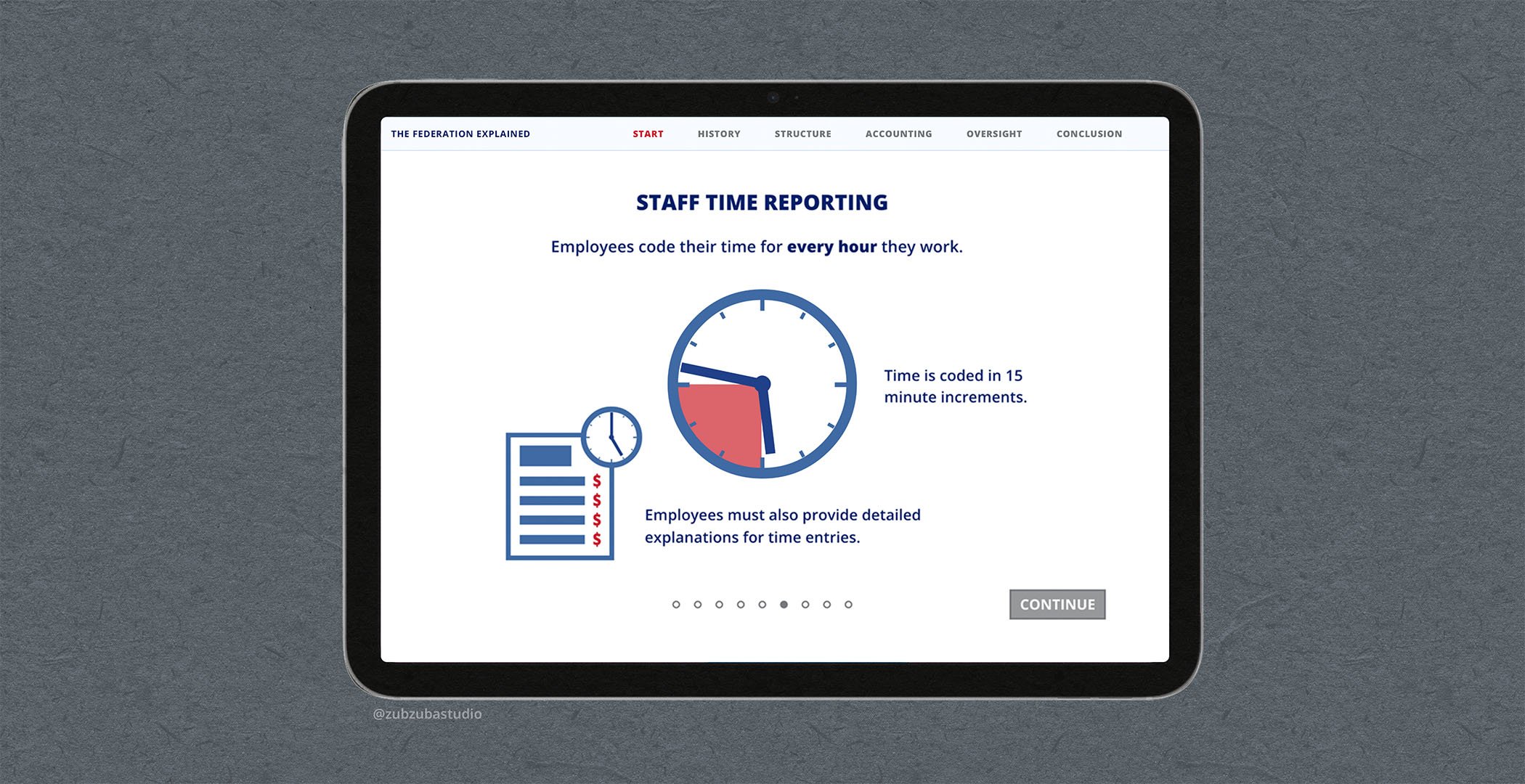
Here’s why visual storytelling matters for e-learning and how illustrations and animations can bring your content to life:
Simplifying Complex Concepts
Some ideas are just too abstract or complicated to explain with words alone. That’s where visuals come in. Think about trying to explain how a machine works, the human circulatory system, or even an abstract concept like emotional intelligence.
Illustrations can break these concepts into digestible chunks. Diagrams, infographics, and process flows guide learners step-by-step, making it easier to connect the dots.
Animations take it a step further by showing motion, transitions, or cause-and-effect relationships—turning “what” into “how.”
Boosting Engagement and Retention
Let’s face it: staring at a wall of text on a screen isn’t exactly inspiring. Learners are more likely to stay focused when content feels dynamic and visually interesting.
Illustrations create a sense of storytelling, helping learners relate to the material. For example, character-driven visuals or metaphorical graphics can make lessons feel more personal.
Animations add movement that captures attention. A short animated video can explain a concept in 30 seconds that might take paragraphs to describe.
Catering to Different Learning Styles
Not everyone learns in the same way. While some people excel at reading and listening, others are visual learners who grasp information best through images.
Visuals bridge this gap, offering multiple ways to process the same material. For example, pairing a written explanation with a flowchart or timeline helps learners absorb information in a way that works for them.
Making Abstract Concepts Tangible
In subjects like math, science, or philosophy, it can be tough to visualize abstract ideas.
Illustrations like metaphors or analogies help ground these concepts in the real world. For instance, using the image of a bridge to represent “connection” or a tree to represent “growth” can make abstract ideas easier to grasp.
Animations allow learners to see abstract processes unfold in real time, like a chemical reaction or the growth of a plant, turning theoretical concepts into something tangible.
Enhancing the Overall Learning Experience
Great visuals don’t just clarify—they also make the learning journey more enjoyable.
Think about how much more fun a course feels with vibrant illustrations, relatable characters, or quirky animations sprinkled throughout.
They create an emotional connection that transforms “just another lesson” into something memorable and shareable.
Final Thoughts
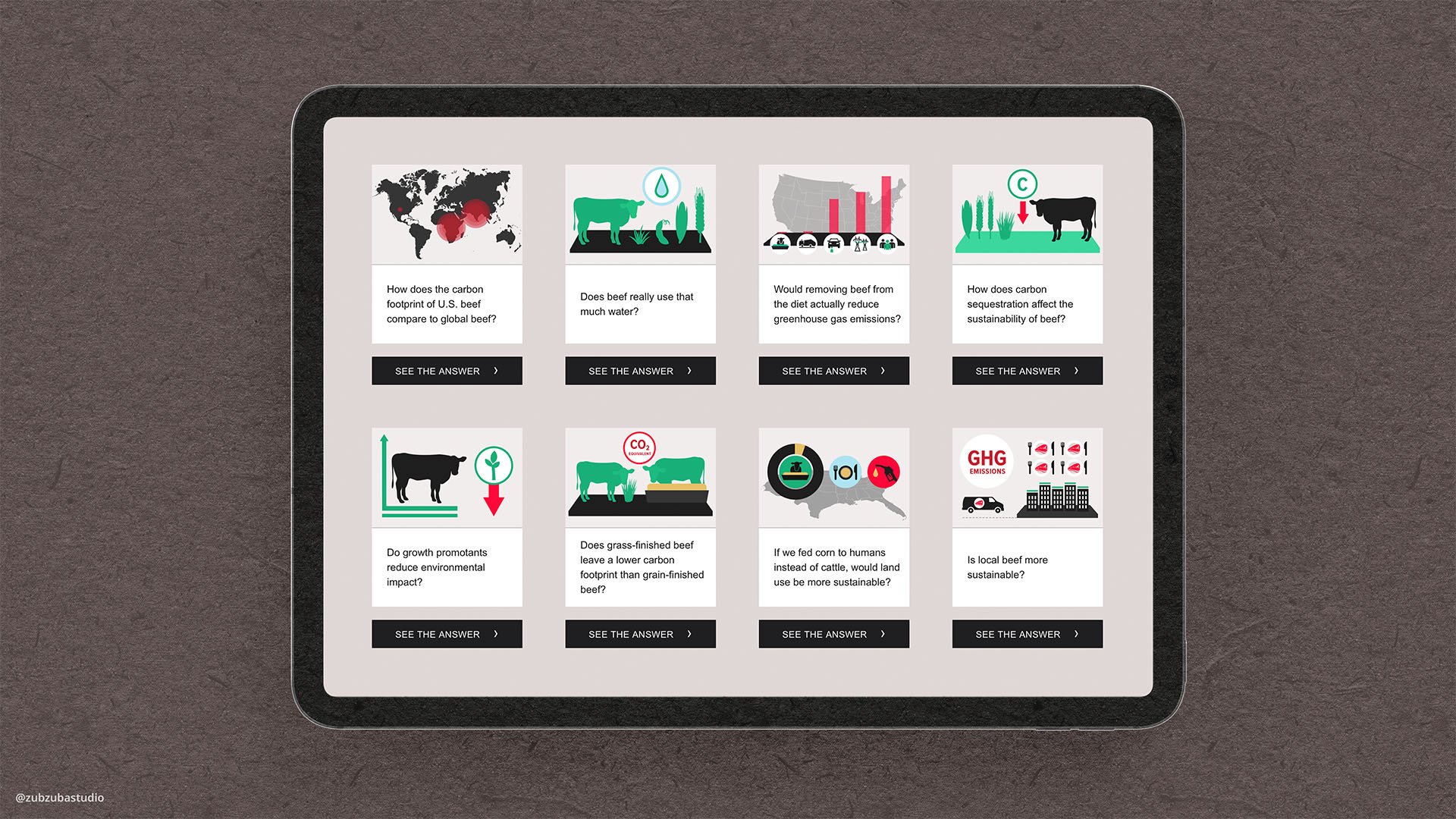
When done thoughtfully, illustrations and animations aren’t just decorative—they’re transformative. They help learners understand, remember, and engage with your material in ways plain text can’t achieve. Whether you’re creating a course for K-12 students or professionals, incorporating visual storytelling can elevate the entire experience.
Need help bringing your learning or training concepts to life or explain a complex system? We have worked with Purdue University, London University, NIMH, and other educational and training institutions. We can take dense information and chunk it into easy to follow animated and interactive modules.
View Our CASE Studies: